

How to Choose and Install Light Fixtures: Tips from Professional Electrical Contractors
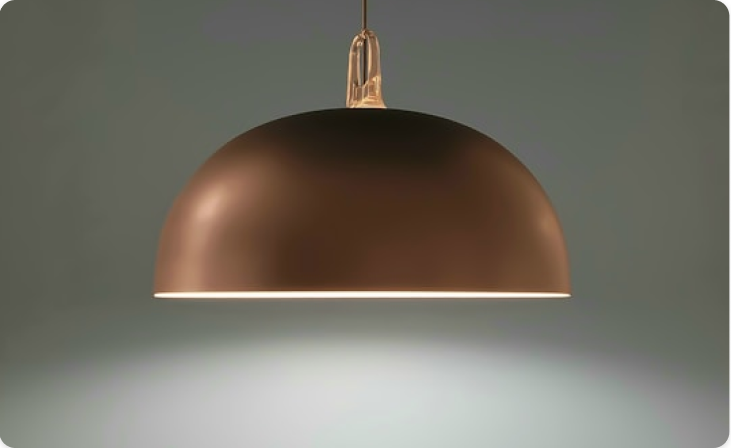
Choosing a fixture you like is the easy 10% of a lighting project. The other 90% — color temperature, placement, circuit capacity, and what's actually holding the fixture to the ceiling — is where a lighting project either turns out the way you pictured it or turns into a callback six months later.
Choosing by Room, Not by Fixture
The most common mistake in lighting selection is picking fixtures one at a time instead of planning a room's lighting as a layered system:
- Kitchens need at least three layers: general ambient light (recessed cans), task light (under-cabinet, aimed at the counter), and accent light (over an island or a feature).
- Living and dining rooms benefit from dimmable, warmer fixtures that support both an active evening and a relaxed one — a single bright overhead fixture with no dimming locks the room into one mood permanently.
- Bathrooms need vanity lighting mounted at face height on both sides of the mirror, not a single fixture overhead, which casts harsh shadows — the most common bathroom lighting complaint we hear.
Color Temperature, Explained Without the Jargon
Color temperature is measured in Kelvin, and lower numbers are warmer. 2700K reads close to an old incandescent bulb — warm, cozy, good for living spaces and bedrooms. 3000K is a slightly crisper white that reads clean in kitchens and bathrooms without feeling clinical. Above 4000K starts to read as office or garage light in a home setting. Mixing temperatures room to room is normal; mixing 2700K and 3000K within the same room is the most common thing that makes a finished project look subtly "off" without homeowners being able to say why.
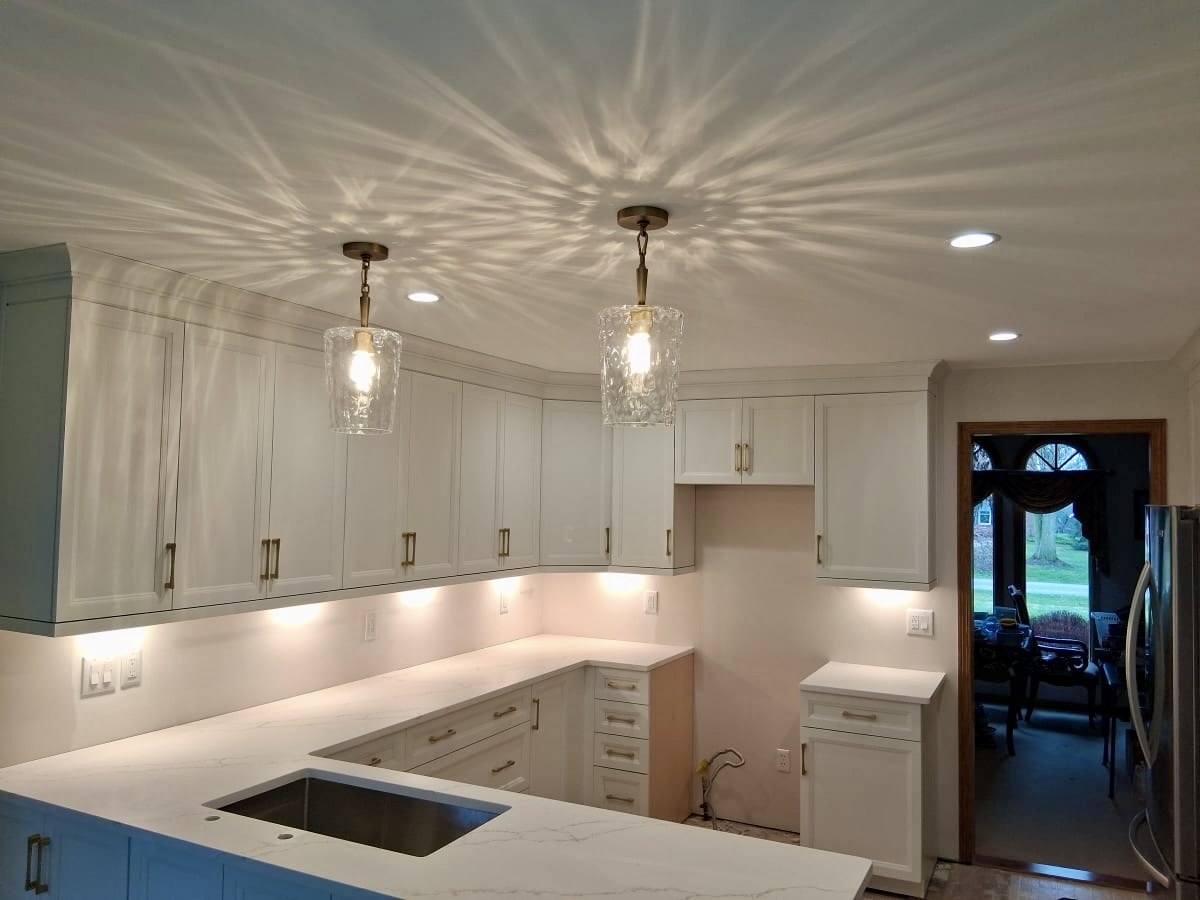
Why Installation Is the Part That Actually Matters
- Box rating — a ceiling fan or heavy chandelier needs a box rated for that weight and movement, not a standard fixture box with a couple of drywall screws behind it.
- Circuit capacity — adding six recessed cans to a lighting circuit already running close to its load is a common way to end up with a nuisance-tripping breaker six months after a "simple" upgrade.
- New circuits and box relocation — both are permit-triggering work under Michigan code, regardless of how straightforward the fixture itself looks in the box.
What's Reasonable to DIY, and What Isn't
Swapping a fixture on an existing, correctly-rated box with the breaker off is reasonable for most homeowners. Adding new fixtures, relocating a box, or adding a dedicated circuit for a large installation is where a licensed electrician belongs — not because the fixture is complicated, but because the electrical planning behind it is.
Planning a lighting project? Call 586-489-1504 for a walkthrough before you buy fixtures — it's easier to plan the circuit around the lighting than to discover the circuit can't support it after the fixtures are already on the wall.
More electrical advice for homeowners
Explore more homeowner-friendly electrical tips, safety advice, and upgrade ideas from our team.

Electrical Services For Your Home
Use our simple booking tool to schedule electrical service or get a rough estimate for common projects. Choose a time that works for you and we'll take care of the rest.