
How to Bulletproof Your Home’s Power Before Michigan Winter Storms Hit
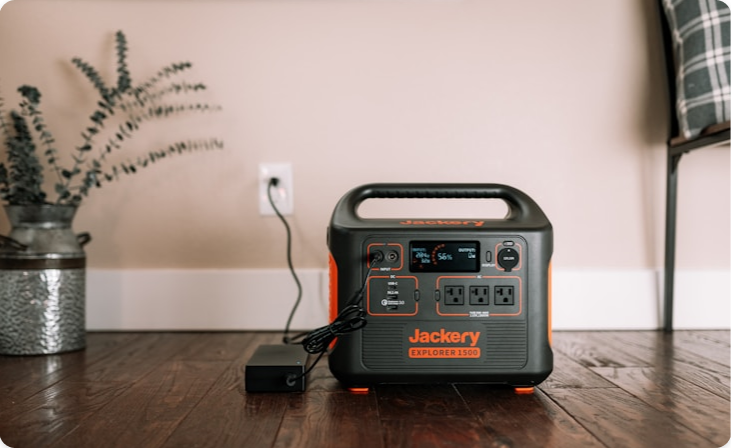
Michigan winter storms don't just knock the power out — they knock it out in specific, predictable ways worth understanding before the next one hits. Ice-loaded tree limbs take down service drops. Sustained sub-freezing temperatures push furnaces and space heaters to run longer and harder than circuits were sized for. And when power comes back after a multi-day outage, the grid switching that restores it can send a voltage spike through your service that does more damage than the outage itself. Bulletproofing your home's power means addressing all three failure points, not just buying a generator and calling it done.
Start With What Your Panel Can Actually Handle
Before you add backup heating, extra lighting, or a portable generator's worth of appliances, know your panel's real headroom. A 100-amp panel already running close to capacity under normal winter load — furnace, water heater, refrigerator, sump pump — has no margin left once emergency equipment goes on top. This is the step people skip, and it's the reason "the generator tripped the breaker" is a call we get every winter.
Tier 1: Whole-Home Surge Protection
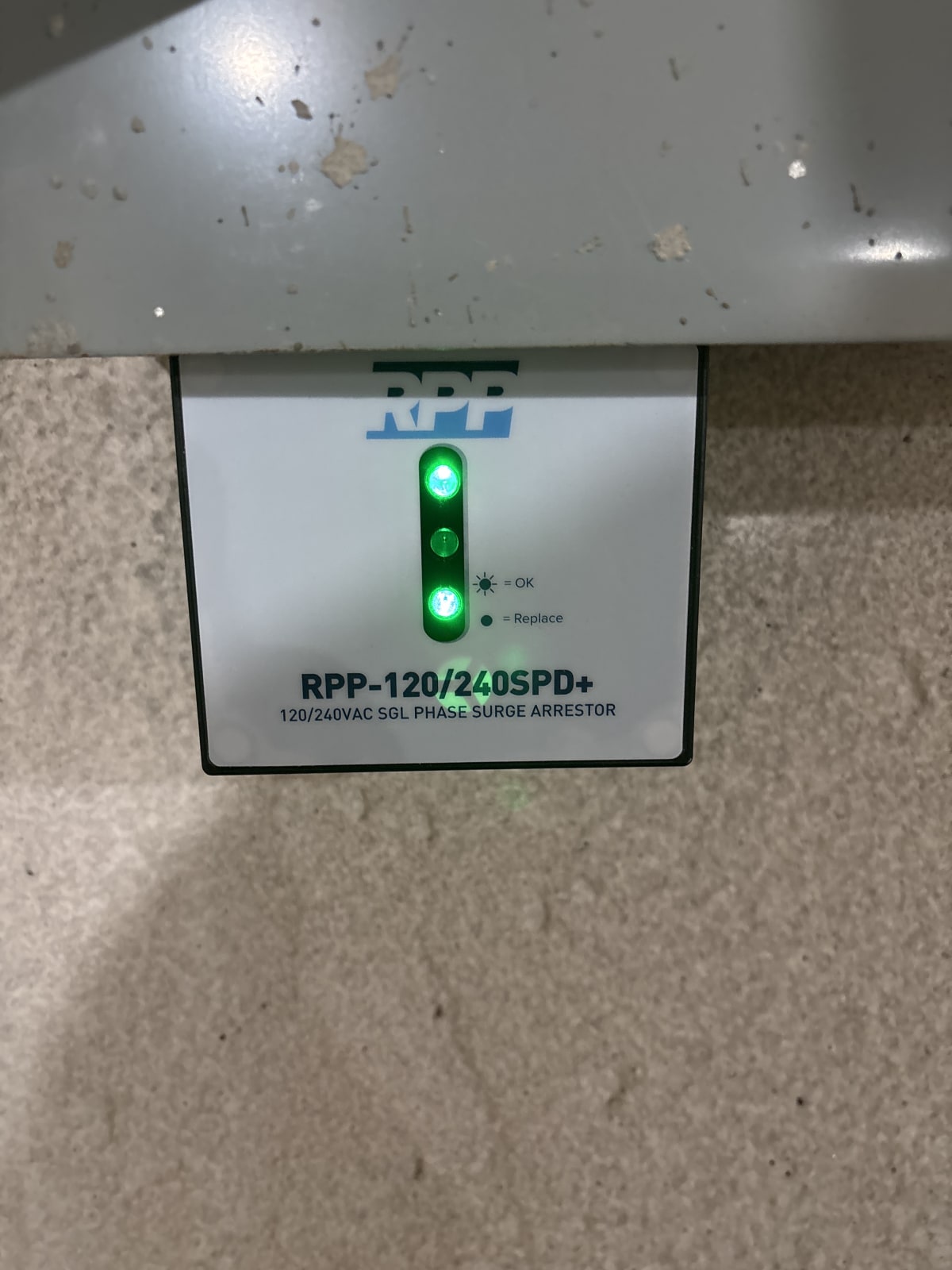
A power-strip surge protector defends the one thing plugged into it. It does nothing for your furnace control board, your sump pump, or your refrigerator's compressor electronics — all things that fail expensively when a storm-recovery voltage spike comes through the service entrance. A panel-level surge protective device, installed under NEC Article 242, sits where power enters your whole electrical system and catches the spike before it reaches any circuit. For the cost, it's the highest-leverage protection on this list.
Tier 2: A Real Transfer Method — Interlock Kit or Transfer Switch
Running a portable generator without a transfer switch or interlock kit means backfeeding power into your home's wiring through an extension cord — and that same backfeed travels out through your service drop onto the grid, a real, documented hazard to utility linemen working to restore power in your neighborhood. An interlock kit is a mechanical safeguard that makes it physically impossible to have the main breaker and the generator breaker on at the same time — the more affordable route to safe whole-panel backup. A transfer switch does the same job with more granularity, letting you choose exactly which circuits stay powered, which matters more with a smaller generator that can't run the whole house at once.
Tier 3: Know What "Partial Power" Actually Means
If half your house has power and your 240-volt appliances — electric dryer, electric range, well pump — have gone dark while lights and outlets still work, that's often a dropped leg: one of the two hot legs feeding your panel from the utility has lost its connection, usually at the meter base or service drop, not inside your home's wiring. Troubleshooting it yourself can put you in contact with a still-energized conductor — that call goes to DTE and your electrician, not to your own breaker panel.
A Storm-Season Checklist Worth Running Now
- Confirm your panel's rated capacity against what you'd actually run during an outage
- Verify surge protection is installed at the panel, not just at individual outlets
- If you have a generator, confirm it's connected through an interlock kit or transfer switch — not an extension cord backfeed
- Know the visual signs of a dropped leg before it happens at 11pm in a storm
Ready before the next storm hits? See our generator hookup and whole-home surge protection services, or call 586-489-1504.
More electrical advice for homeowners
Explore more homeowner-friendly electrical tips, safety advice, and upgrade ideas from our team.


Electrical Services For Your Home
Use our simple booking tool to schedule electrical service or get a rough estimate for common projects. Choose a time that works for you and we'll take care of the rest.